what is urban sprawl?
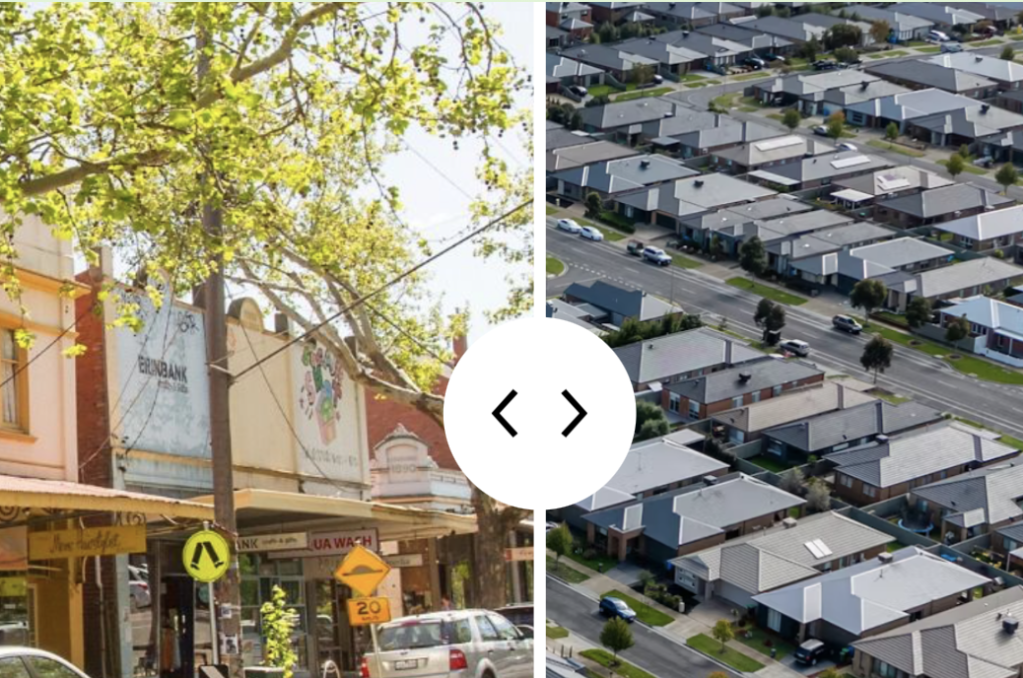
Urban sprawl is the expansion of towns or cities into rural or previously undeveloped land. This happens when space is needed to accommodate the growing population and those wishing to move from high-density areas to low-density suburbs.
Urban sprawl is often characterised by low-density housing developments that stretch away from an urban centre. Some of the key characteristics associated with urban sprawl include:
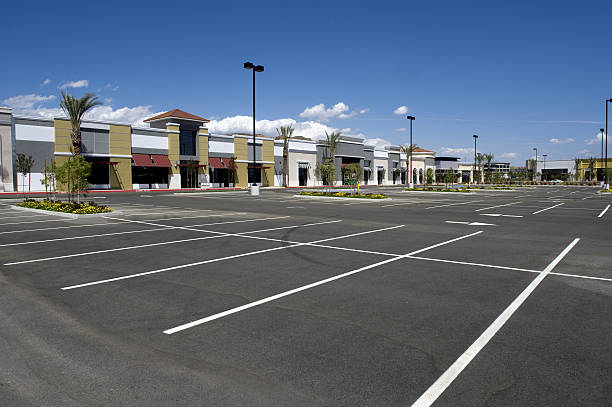
Car reliance.
Newer suburbs often lack public transport connections. Especially the train or tram
Even if rail connections exist, the low-density nature of these suburbs leads to many or most commuters driving to the station, parking and taking the train from there.
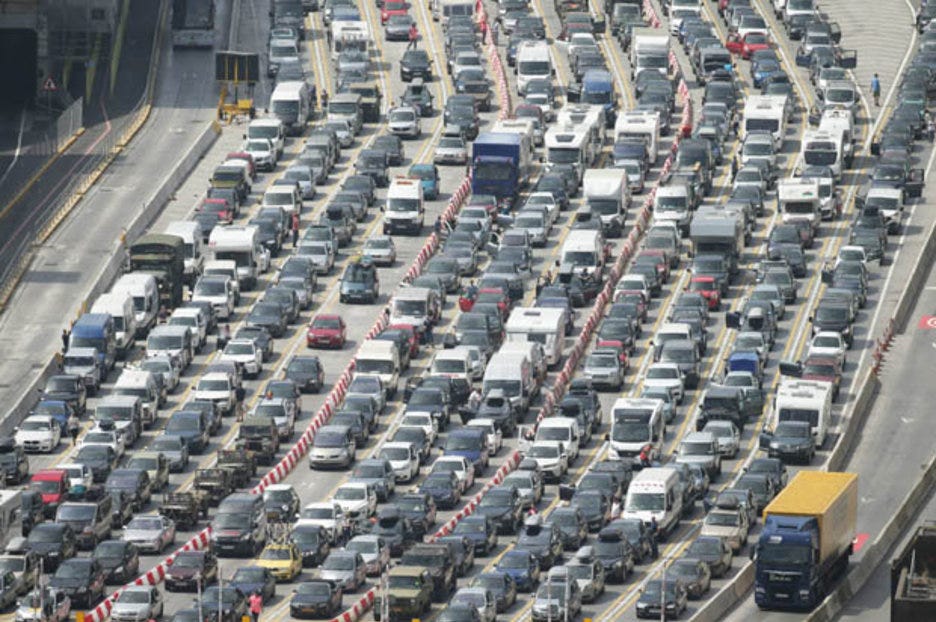
Increased commute times.
A more spread-out city means getting to work or driving kids to school takes longer, with some trips taking 45 minutes, just to the train station.
This leads to less time spent with family, more money spent on your car, and more pollution emitted.
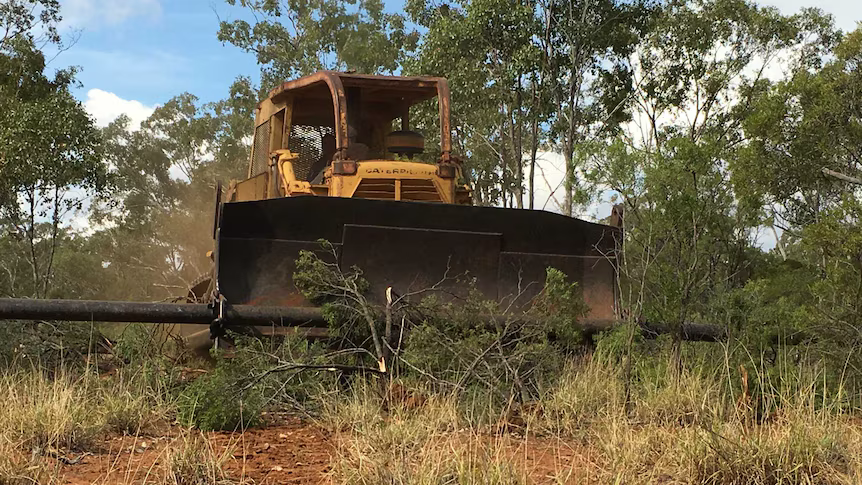
Environmental and cultural destruction.
The expansion of suburbia flattens anything that came before; ecosystems are wiped out, and habitat is destroyed, systems that, unlike housing, can never be rebuilt.
This destruction also extends to indigenous cultural sites like the Wurundjeri earth rings in Sunbury that have been used for ceremonies for over 1,400 years.
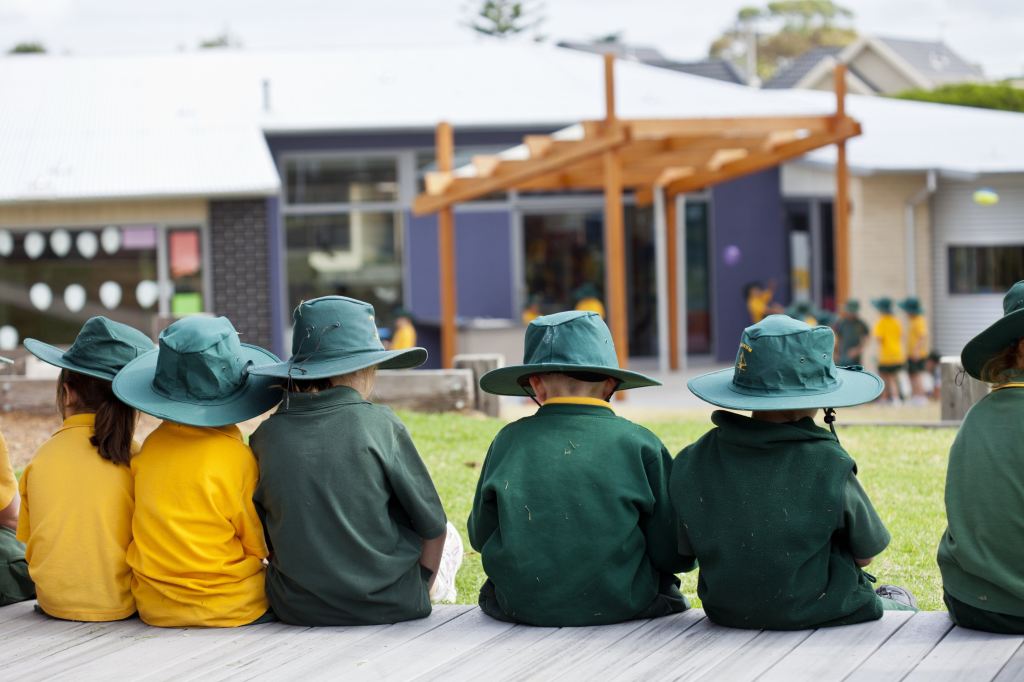
Pressure on infrastructure.
Despite many of these suburbs being built from the ground up, the critical infrastructure required for daily life, like schools or shopping centres, is often subpar.
Additionally, the surrounding roads are not built for the amount of traffic they are subjected to, leading to congestion and bottlenecks between the suburb and the freeway.
Why does this matter?
Because a car is required to get anywhere, there is considerably less social interaction with the community that would occur while walking to the shops, work, or school.
longer commute times leave less time spent with friends and family, and time that could have been spent walking to school or the shops with family members has been replaced by a 10-20 minute drive to the mall on the freeway.
The lack of socialisation isn’t the whole issue; more time in the car means more money spent on fuel and car maintenance, a cost that is estimated to be $23,389 per year, or $430.50 per week for the average Australian.
Unwalkable neighbourhoods don’t just make walking difficult but sometimes near impossible, with houses and shops being separated by freeways and neighbourhoods that have no footpaths. Car based infastructure hasnt just just been implemented, it has begun to replace the fundamental form of movement humans have been using to get around for hundreds of thousands of years.
The car-dependent nature of these suburbs leads to health risks brought on by proximity to freeways. Traffic emissions are a complex mix of gases and particles. Some are emitted directly from engines burning fuel, while others come from the wear and tear on roads and tyres caused by driving itself. Some of the most dangerous include Carbon monoxide, Carcinogens like benzene and PAHs from fuel, and metals like copper, zinc and iron being released from wear on brakes and tyres.
Urban sprawl can reduce water quality by increasing the amount of surface runoff, which channels oil and other pollutants into streams and rivers. Additionally, the vast impermeable surface means runoff can cause improper drainage that floods and damages nearby infrastructure and habitat.
Poor water quality near regions with high traffic is associated with a variety of negative health outcomes, including diseases of the gastrointestinal tract, kidney disease, and cancer.
As well as risks to humans through air and water pollution, other negative environmental impacts include deforestation and the destruction of native habitats and cultural sites
Less than 1% of Melbourne’s native grasslands remain and native flower meadows are now heading towards irreversible decline
A hectare of natural eucalypt forests holds an average of 640 tonnes of carbon and absorbs 15–40 tonnes of carbon a year, compared to an average hectare of suburbs that emits 369 tonnes of carbon annually. Bulldozing native forest isn’t just destroying habitat for endangered creatures but limiting our ability to absorb carbon and stick to our net-zero goals.
urban sprawl fails to provide cheaper more livable housing and is worse for the environment,
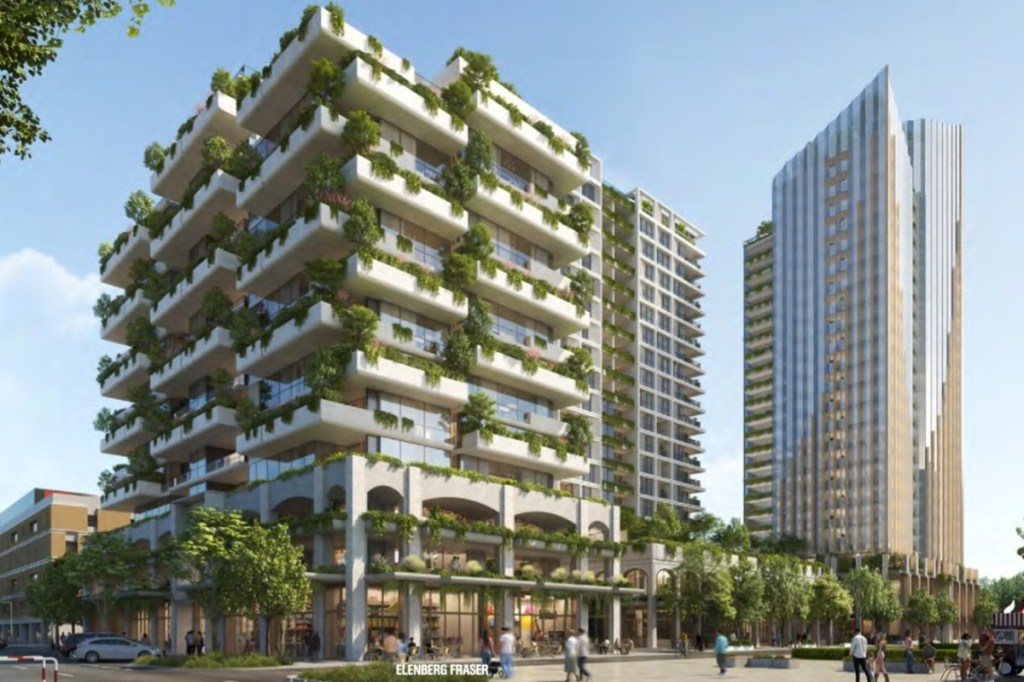
So what is the alternative?
 stopurbanspawlmelbourne