alternatives
if rampant urban sprawl is a bad thing, then what can serv e as its replacement?
Smart growth has often been put forward as a potential solution to the problem of urban sprawl.
But what is smart growth?
Smart growth can be defined as a policy framework that promotes an urban development pattern characterised by:
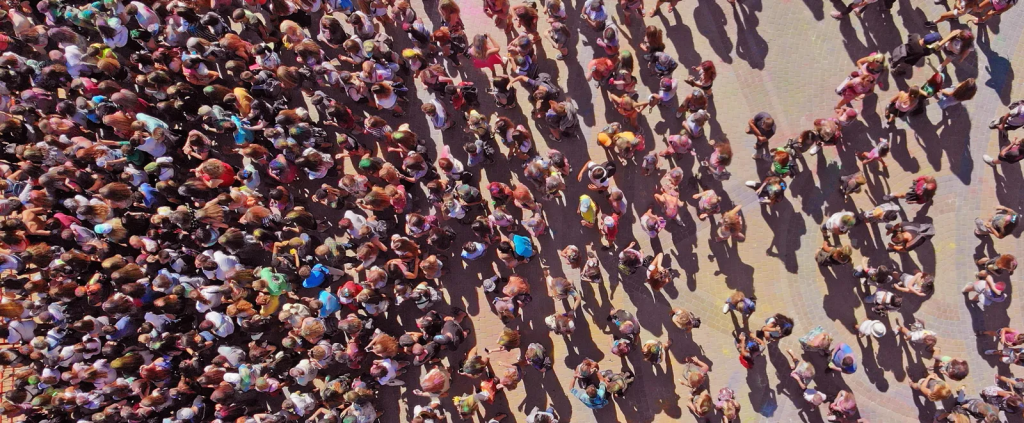
high population density
People living in denser neighbourhoods means that public transport options are more effective, and means shops and essential services are closer and don’t require a car to travel. Living closer to other people leads to better community engagement and makes socialisation easier and more rewarding.
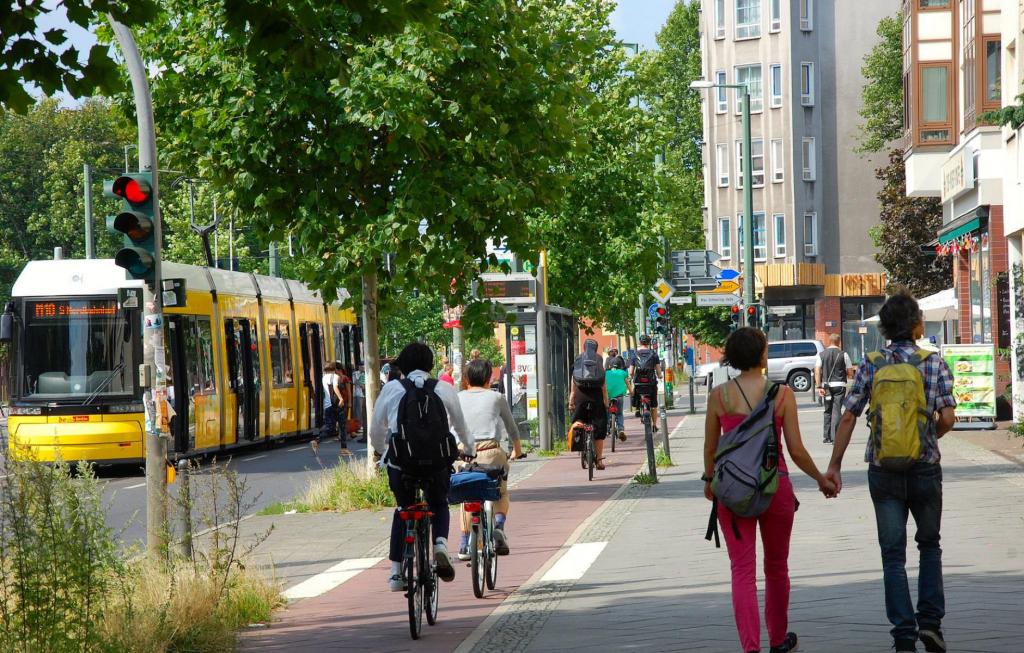
walkable and bikeable neighbourhoods
Walkable and bikeable neighbourhoods encourage healthy and active lifestyles, build community connections, and support local businesses through improved access to local amenities. Commuting becomes healthier and better for the environment.
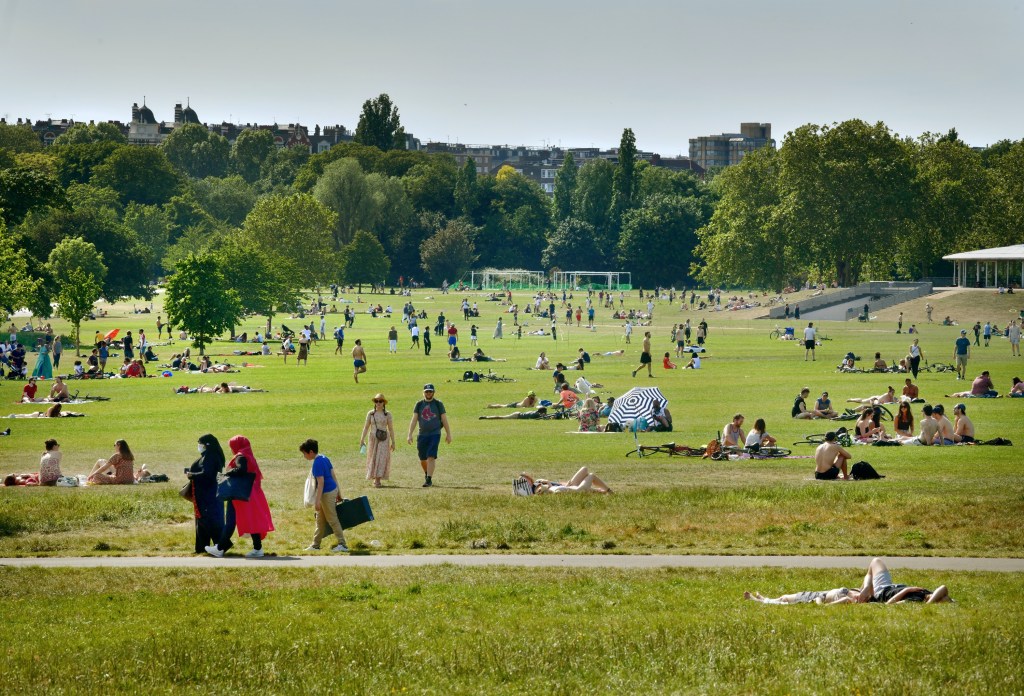
preserved green spaces
Green spaces are open-space areas that include plant life and other kinds of natural environments. Spending time in green spaces has been associated with numerous mental health advantages, like alleviation of anxiety and depression symptoms, reduced stress hormone levels, enhanced mood, and a boost to overall feelings of happiness and wellbeing
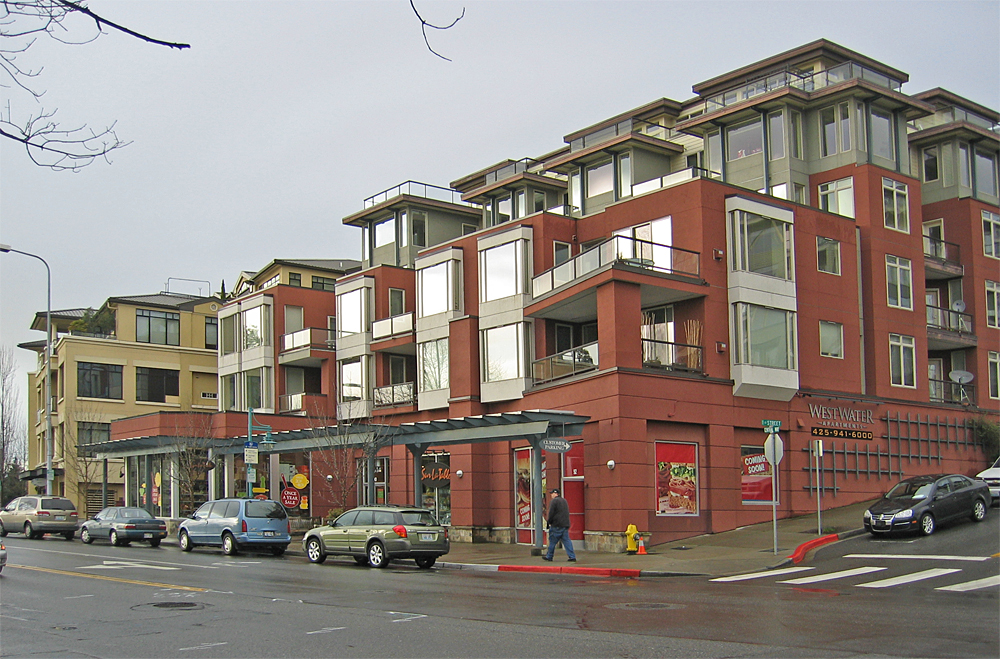
mixed-use development
Mixed-use developments are projects that include both residential and commercial uses. The combined effects of convenience, increased physical activity, reduced commuting time and stress, greater opportunities for social interaction, and access to a variety of amenities significantly enhance the overall quality of life for residents
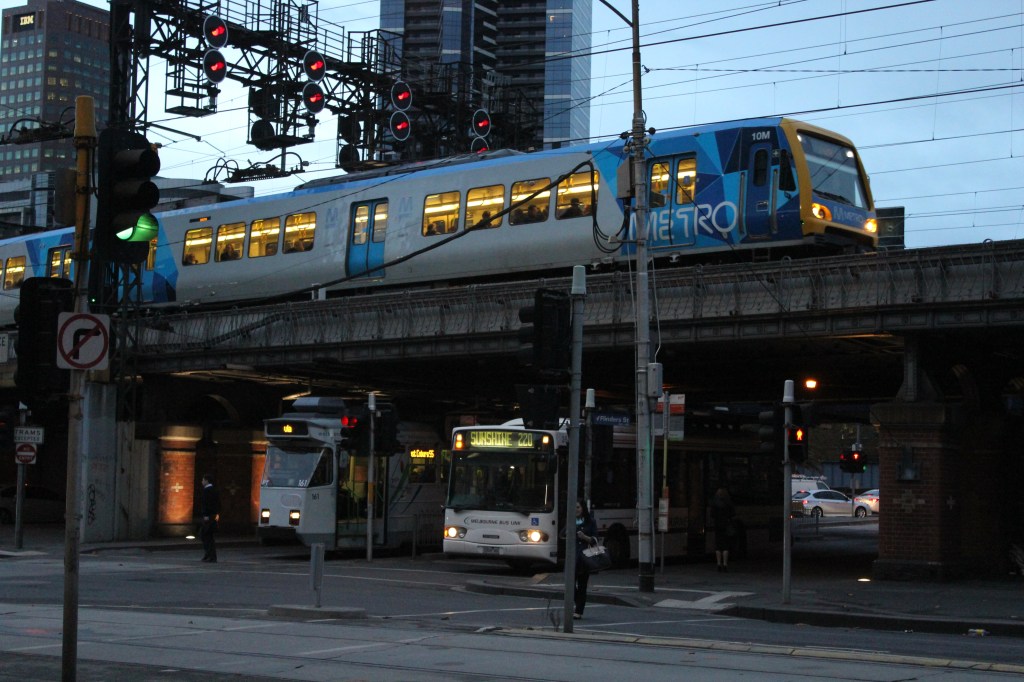
available mass transit
Mass transit means that trips to and from work, school and shopping centres are quicker and cheaper than driving. Mass transit removes the need for large car parks and streets and leaves more room for green spaces, shops and homes.
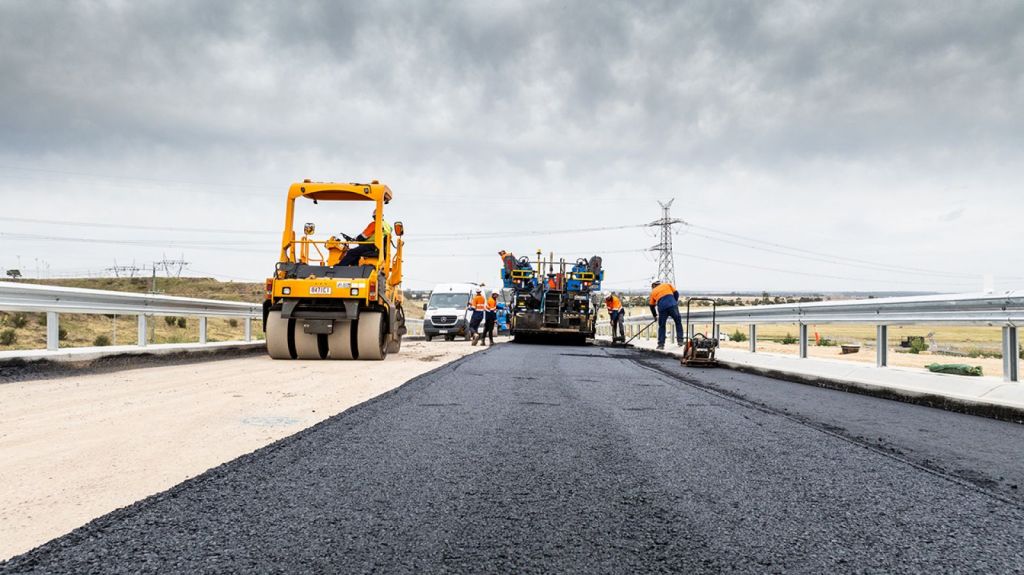
limited road construction.
Limiting the construction of new roads means that more space is allocated for housing, green spaces, and shops. By limiting roads and car usage, the negative health implications on nearby residents are averted, leading to a quieter and healthier metropolitan environment.
Smart growth was originally conceptualised as an alternative to urban sprawl that would offer residents a high quality of life and the convenience of local amenities. but it also has many potential health benefits, such as diminished air pollution, fewer motor vehicle accidents, lower pedestrian mortality, and increased physical exercise.
How can this future of smart growth be achieved?

 stopurbanspawlmelbourne